
Roofing Services for Commercial Properties

Managing a commercial property means staying ahead of what can go wrong. When your roof becomes an issue, whether it's a slow leak, storm damage, or a system approaching end of life, you need a contractor who understands the stakes, works cleanly around your tenants and operations, and gives you documentation you can actually use.

Zags Exteriors works with property managers, facilities managers, and restoration contractors to assess, specify, and install commercial roofing systems built for long-term performance. We also handle commercial siding, windows, and gutters, so when the scope goes beyond the roof, you have one contractor to call.

What To Expect When You Work With Us

Every engagement starts with a thorough roof assessment. We identify the roof condition, what's at risk, and what the right solution looks like for your building, your budget, and your timeline. You get a written condition report, a clear recommendation, and itemized pricing. No vague estimates, no pressure.

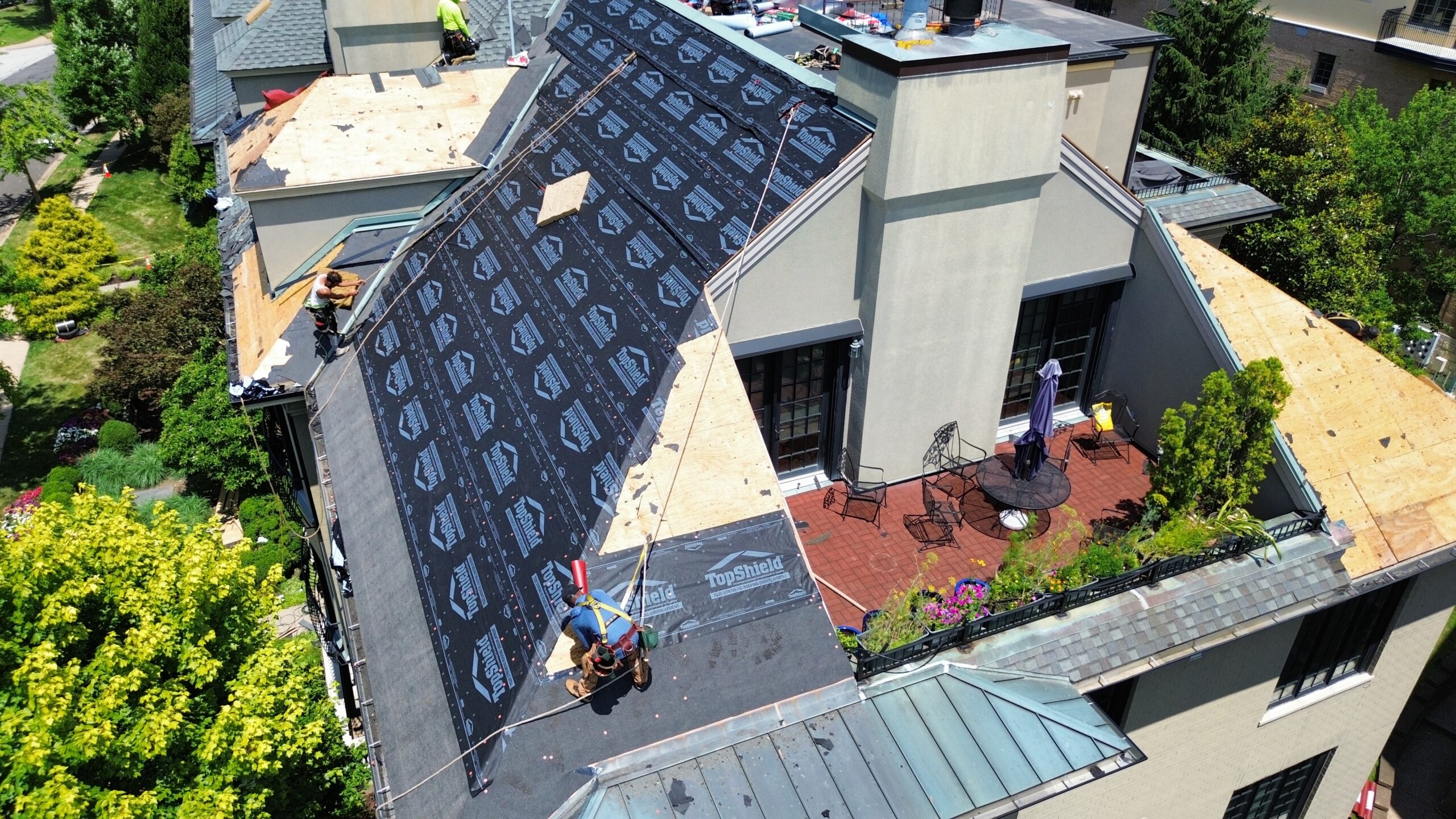
From there we handle everything: permitting, installation, warranty documentation, and tenant coordination if needed. We work on flat and low-slope systems, steep-slope and pitched roofs, metal retrofit and re-cover applications, and storm damage assessment and remediation. Our team includes HAAG-certified inspectors, which means our damage assessments meet the documentation standard that insurance carriers require.

We work locally and nationally. If you manage a portfolio that spans multiple markets, we can support you across locations.
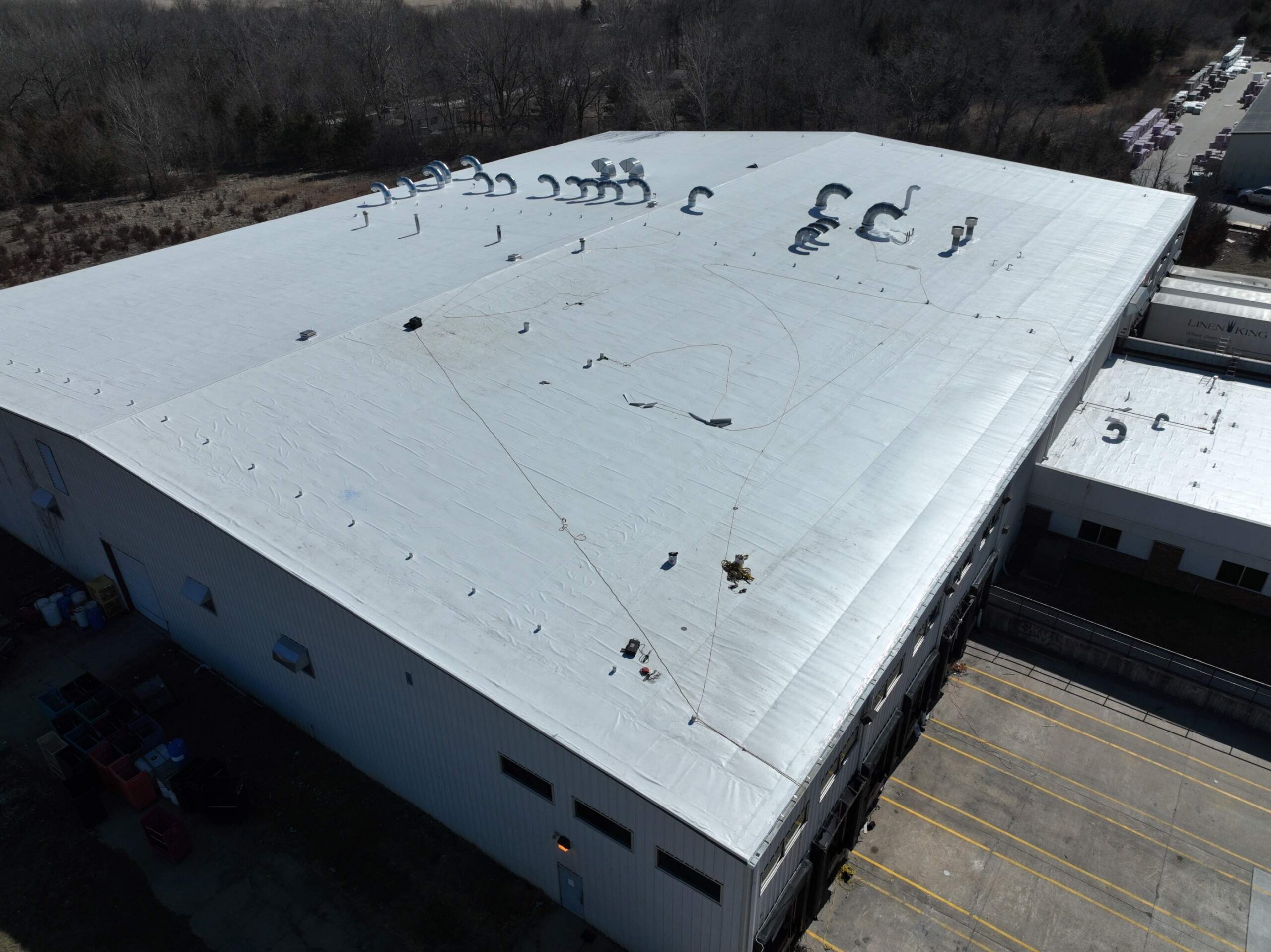
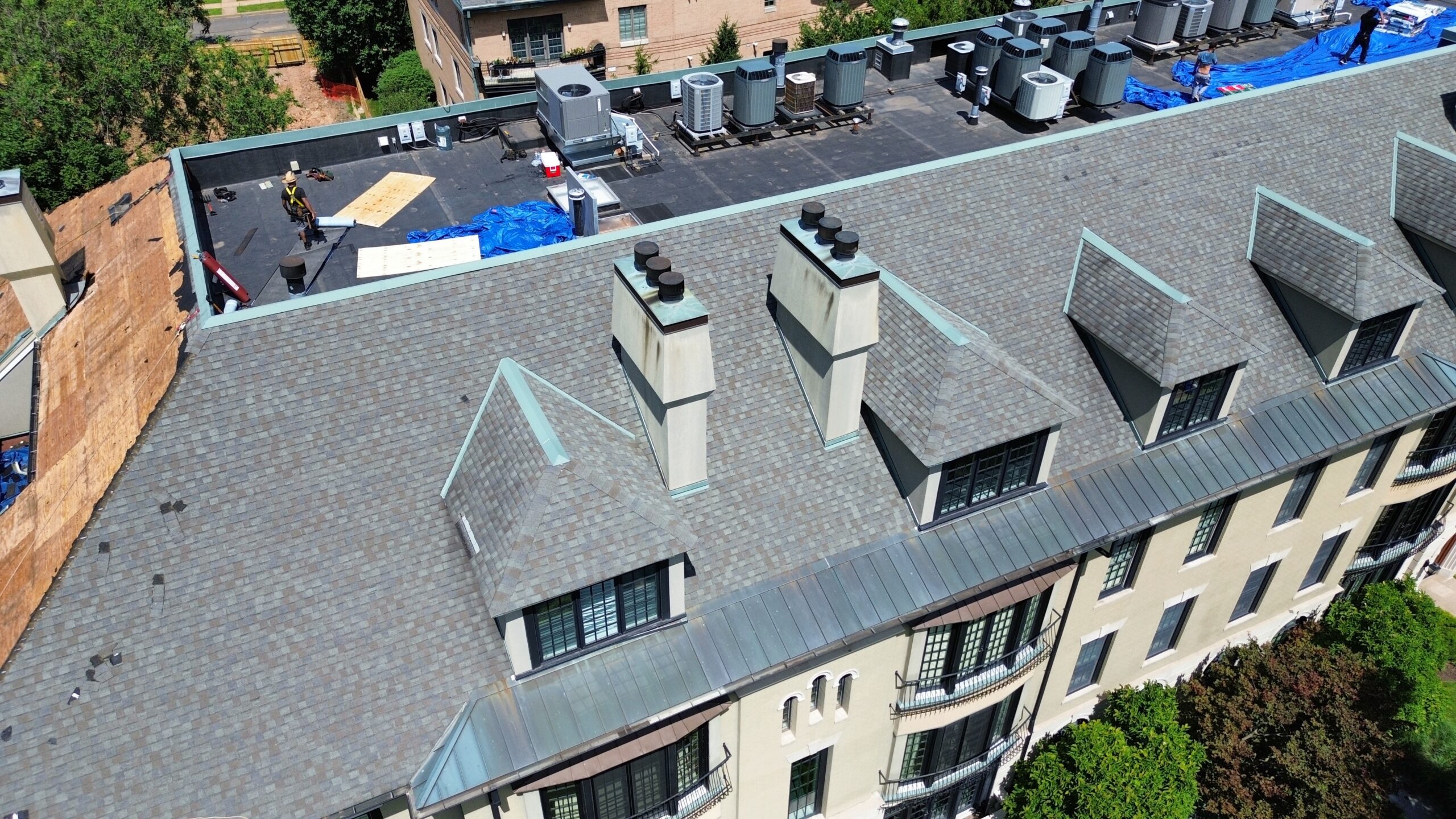
Roofing Systems We Install

We specify based on what's right for your building, not what's easiest for us. Systems we install include:

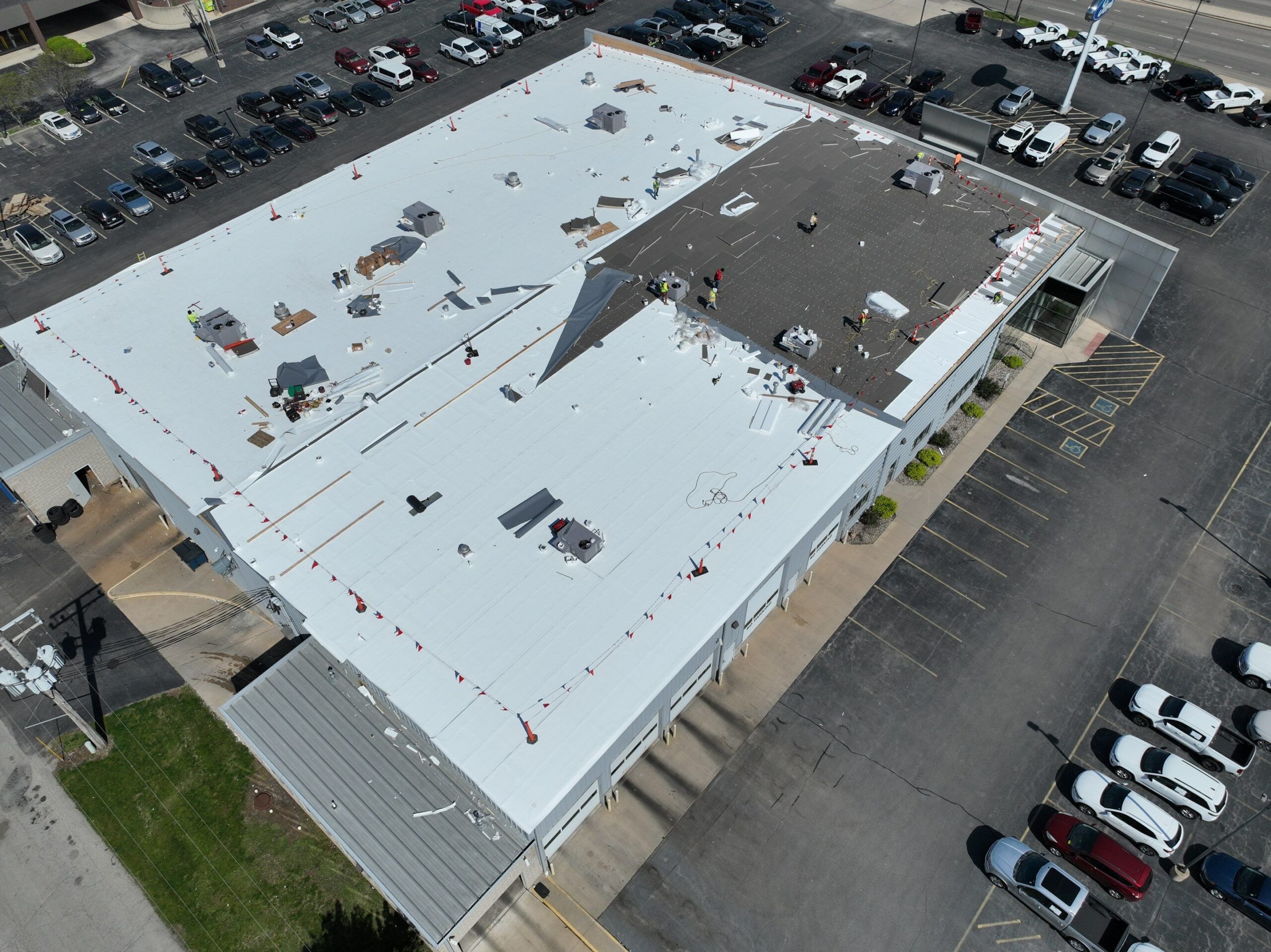
  • TPO - A highly reflective, energy-efficient single-ply membrane designed to reduce heat absorption and improve building efficiency. TPO offers strong seam performance (heat-welded), good puncture resistance, and solid overall durability, making it a popular choice for flat and low-slope commercial roofs.
  • PVC - A premium single-ply membrane with excellent resistance to chemicals, grease, and oils. PVC features heat-welded seams that are among the strongest in the industry. Ideal for restaurants, manufacturing facilities, or any building exposed to chemical runoff.
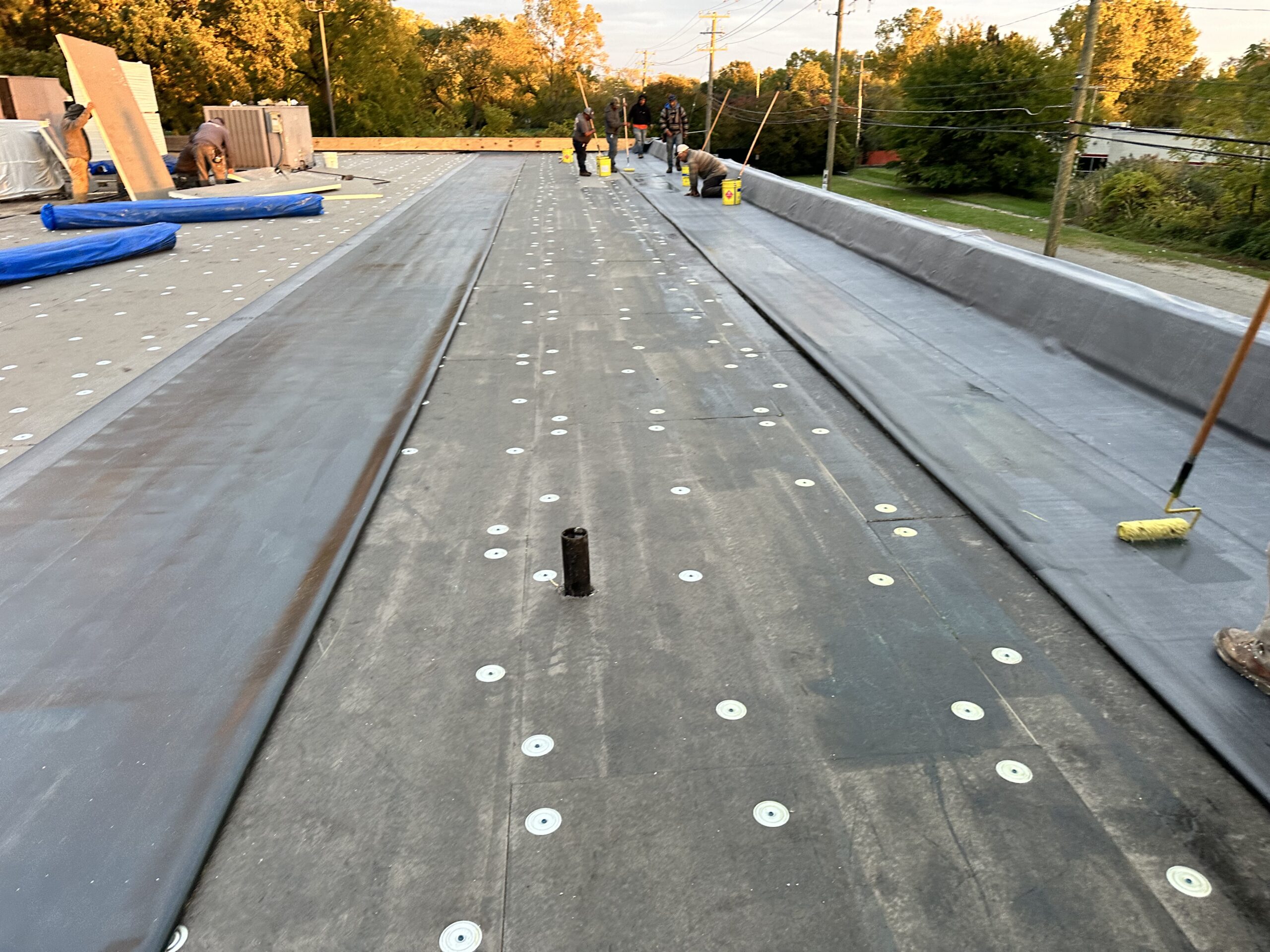
  • EPDM - A durable, cost-effective single-ply membrane that performs exceptionally well in a wide range of climates, including cold weather. EPDM is highly flexible, making it ideal for buildings with complex roof layouts and multiple penetrations. Known for its longevity and ease of maintenance.
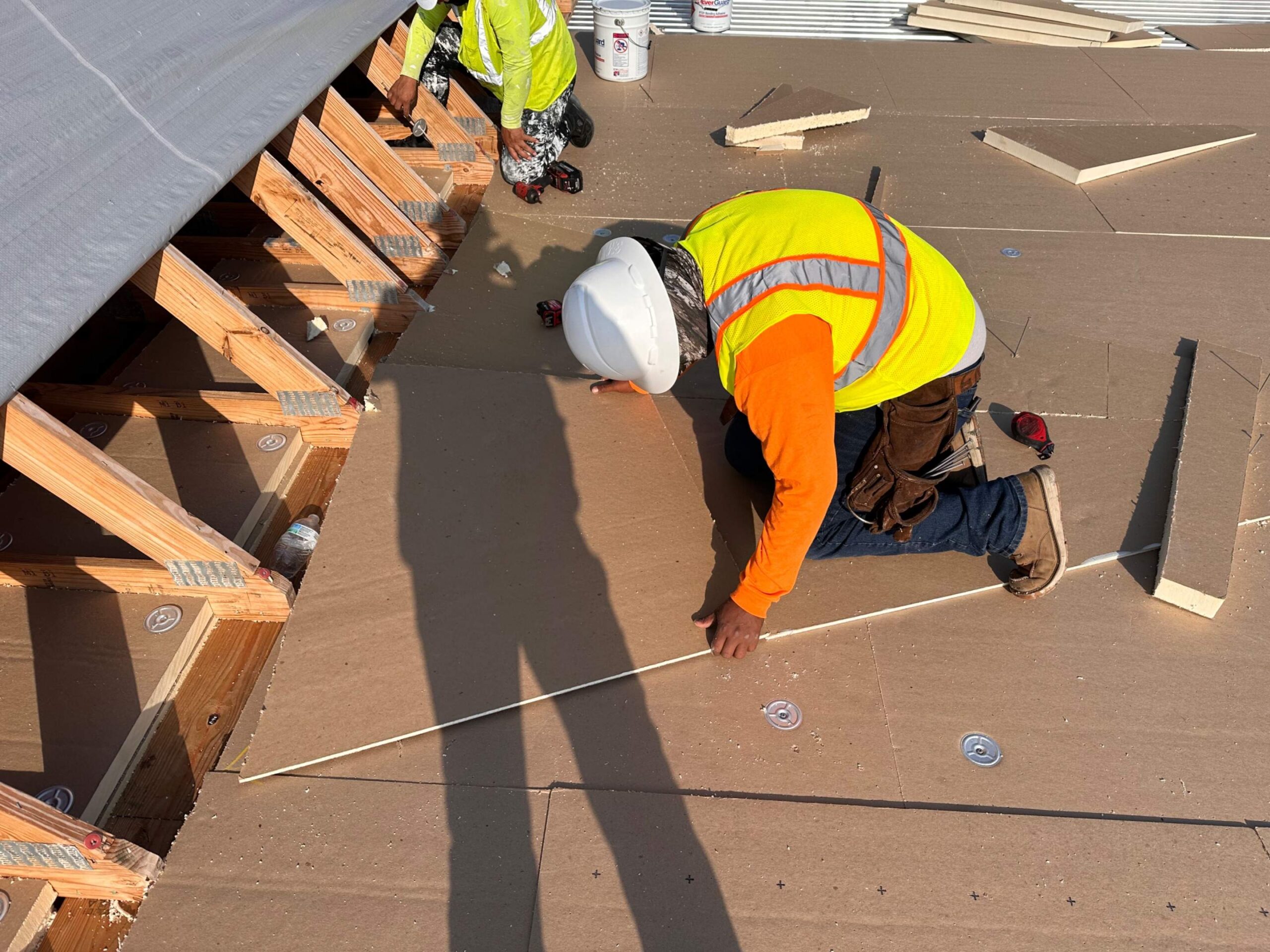
  • Metal Retrofit - Used when installing a new roofing system over an existing corrugated metal roof or deck. Flute fill insulation is installed to create a stable, uniform substrate for the new membrane system.
  • Roof Coatings & Sealants - A cost-effective alternative to full replacement when an existing roof is still structurally sound but showing signs of age or wear. Coatings form a seamless, protective layer that extends service life. Eligibility requires a thorough inspection to confirm the existing system can support proper application.

Why Property Managers and Restoration Contractors Work With Us

Our team has decades of experience across commercial properties of all types and sizes. We're family-owned, which means you're working with people who are accountable for the outcome.

We understand that your reputation is tied to the contractors you bring in. We show up when we say we will, communicate clearly throughout the project, and deliver documentation that holds up, whether that's for your ownership group, your insurance carrier, or your records.

Assessments and estimates are always free. We know commercial work is about relationships, so we want to be your first choice, not a backup.

Types of Buildings We Work On

  • Retail stores
  • Schools and universities
  • Places of worship
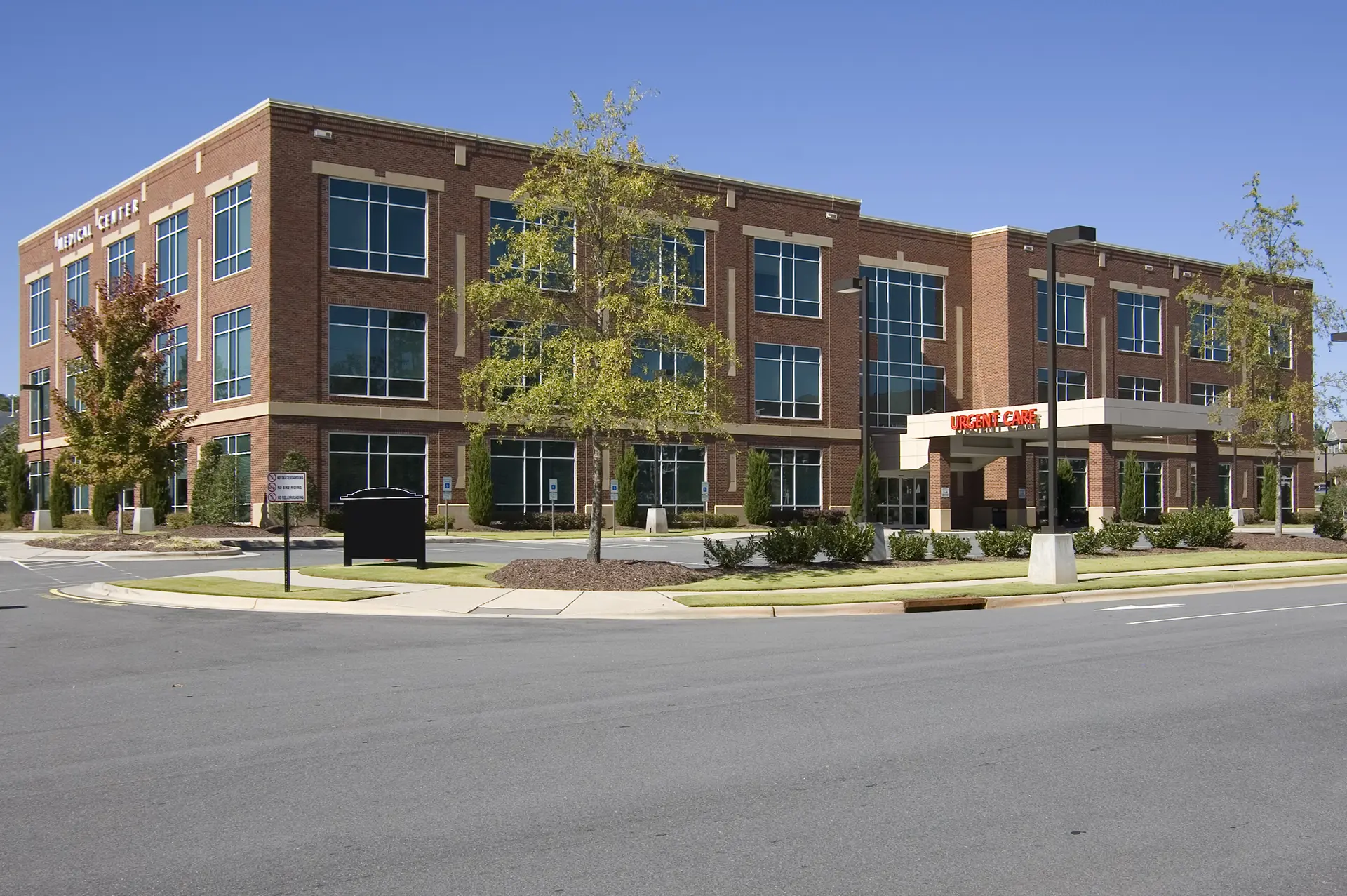
  • Healthcare facilities and hospitals
  • Restaurants
  • Country clubs
  • Factories
  • Warehouses
  • Office buildings
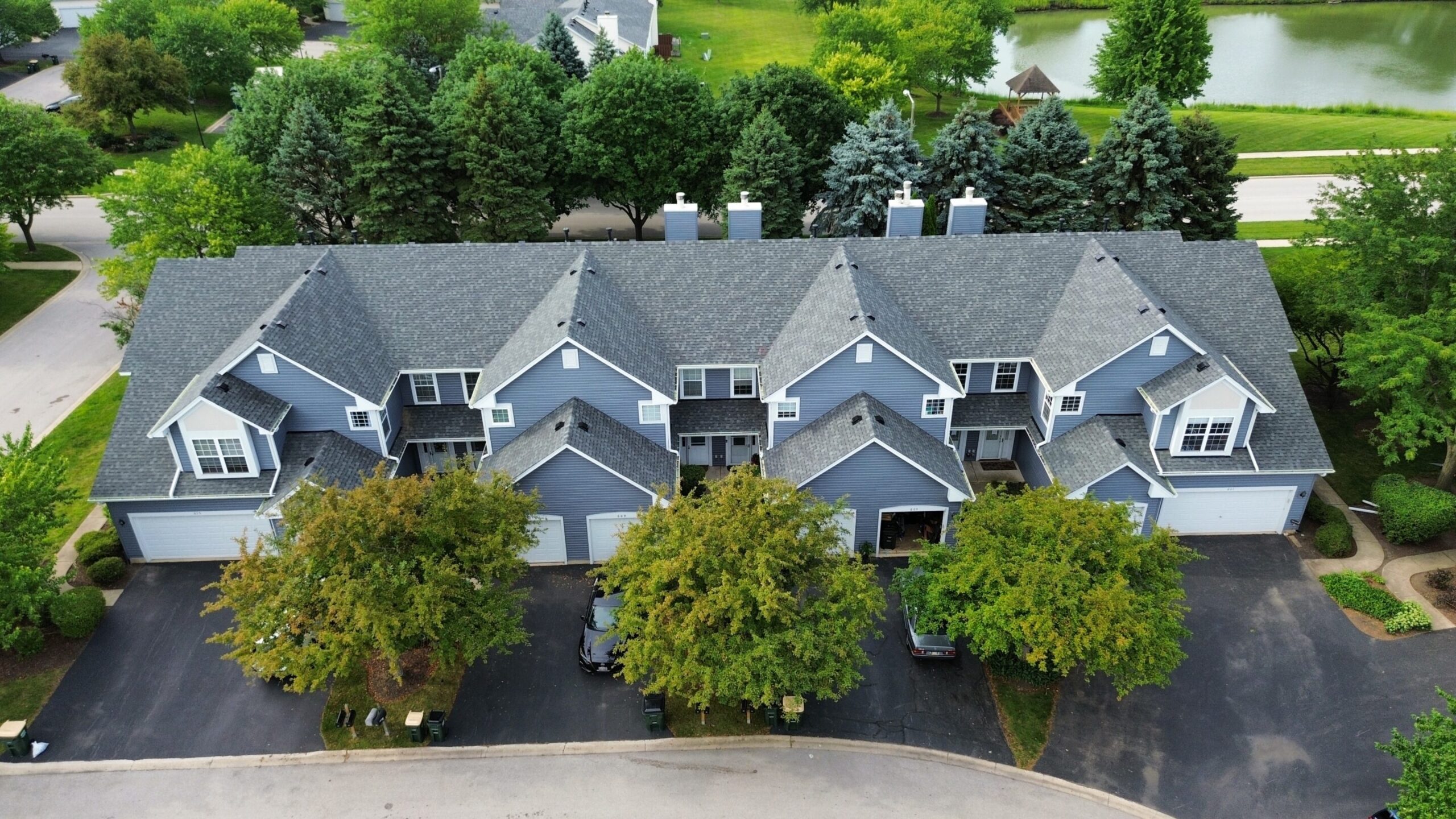
  • Apartment complexes
  • And More

FAQ

ask us
anything

The most appropriate commercial roofing system depends on roof shape, slope, existing deck type, building use, energy performance requirements, and lifecycle cost targets. TPO membrane systems are widely specified for low-slope applications due to their reflectivity and weld strength. EPDM performs well in colder climates and on roofs with complex penetrations.  Metal roofing is the preferred long-term solution for pitched commercial applications. A thorough roof assessment, including core samples and infrared scanning where warranted, will inform the correct specification for your building.

Most commercial roofing systems last somewhere between 20 and 40 years. Metal roofing can go well beyond that. Where your roof lands in that range comes down to the system installed, the quality of the installation, and whether it’s been maintained along the way.

We document the current roof condition, estimate the remaining useful life, and flag what’s coming so you can plan ahead so there are no surprises.

Twice a year is the standard, typically in spring and fall. You should also get an inspection after any significant weather event: hail, heavy snow, or high winds.

A thorough inspection includes the membrane, flashing, drains, and penetrations. Current conditions and life expectancy. In approved cases, a core sample is taken to determine the physical makeup of the roof and to verify the condition of the underlying insulation. 

A solid proposal should lay everything out clearly: the full scope of work, the specified roofing system and material manufacturer, material and workmanship warranty terms, a project schedule, insurance certificates, license information, and permit requirements.

If you’re managing a multi-tenant property, the proposal should also address tenant notification, site access and staging, and how waste will be handled. One thing worth verifying before you sign anything: make sure the contractor is an authorized installer for the manufacturer they’re specifying. That’s what unlocks the full material warranty.

A few benchmarks help frame the decision. If projected repair costs over the next five years are approaching 30% of replacement cost, or if the roof has used up about 75% of its expected service life, replacement usually makes more financial sense.

Infrared moisture scanning is useful when a roof looks okay on the surface but you suspect there’s wet insulation underneath. It shows exactly what’s going on without tearing anything apart. We provide written condition assessments and lifecycle cost comparisons so you have something concrete to bring to ownership or your capital planning process.

Commercial roof replacement costs vary based on several factors, including roof size, system type, existing deck condition, number of penetrations, access constraints, and local permitting requirements. Tear-off, wet insulation removal, and deck repairs are additional variables that can only be pinned down after an on-site look. We provide itemized written proposals after a roof assessment, and there’s no charge for the inspection or the estimate. 

Yes, and it’s one of the more important variables. A system that performs well in a cold northern climate isn’t necessarily the right call for a humid coastal market, and vice versa. Freeze-thaw cycles, UV exposure, humidity, and wind uplift requirements all influence which system makes the most sense for your building and location.

We work across multiple climate regions and spec accordingly. If you’re not sure what’s right for your building, a roof assessment is the best place to start.

It depends on the cause of the damage and your policy terms, but documentation quality plays a bigger role in the outcome than most property managers realize. Hail and wind are the most common covered risk factors, and insurers need a credible, well-documented assessment to substantiate a claim.

Our team includes HAAG-certified inspectors, and that credential carries weight with major carriers. Our inspection reports are built to hold up in the claims process. Our advice: get a professional inspection done before you contact your carrier. A thorough report filed with the initial claim is a much stronger position than filing first and documenting later. We work directly with property managers and ownership groups throughout the process.