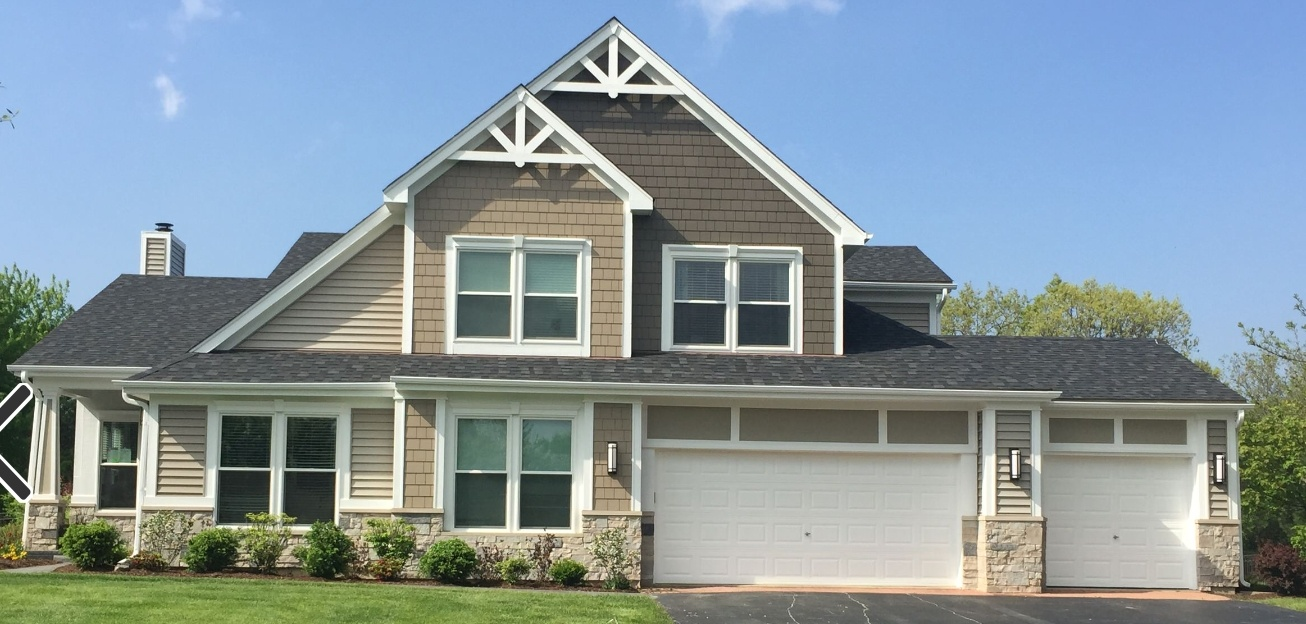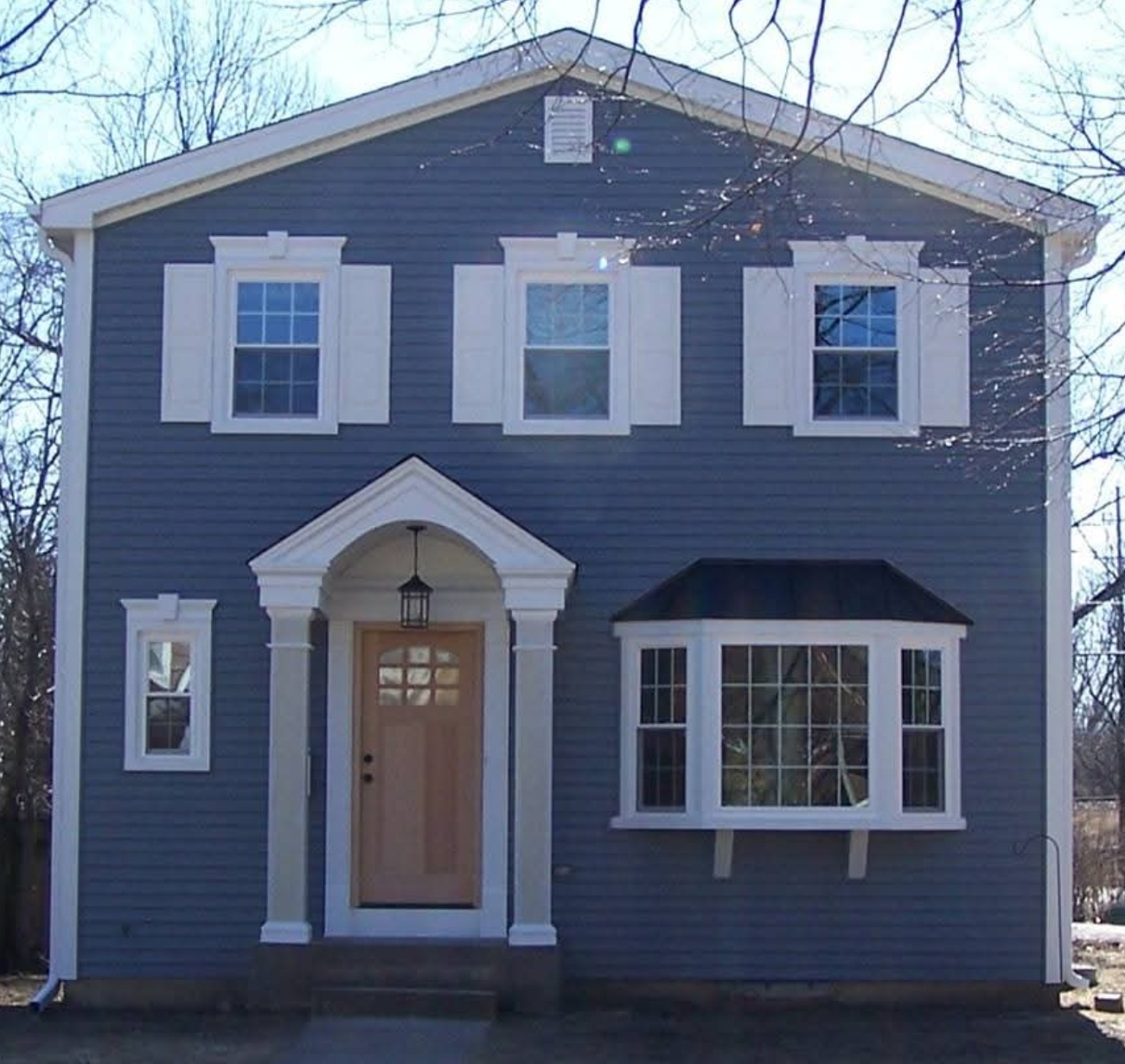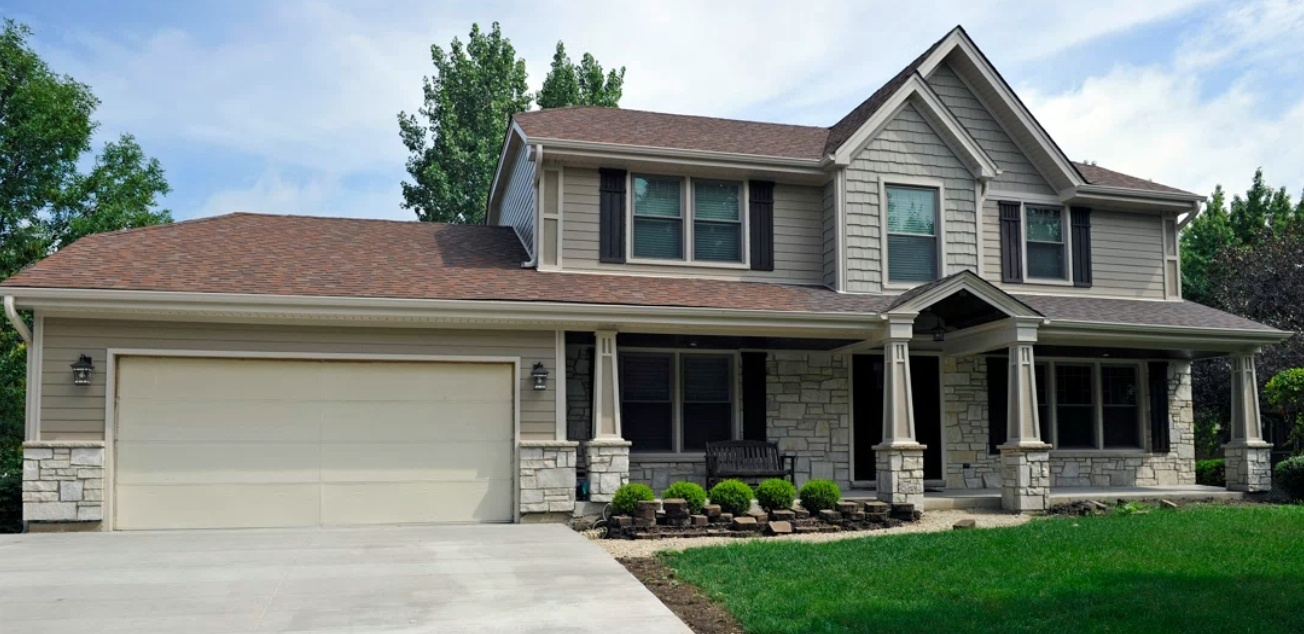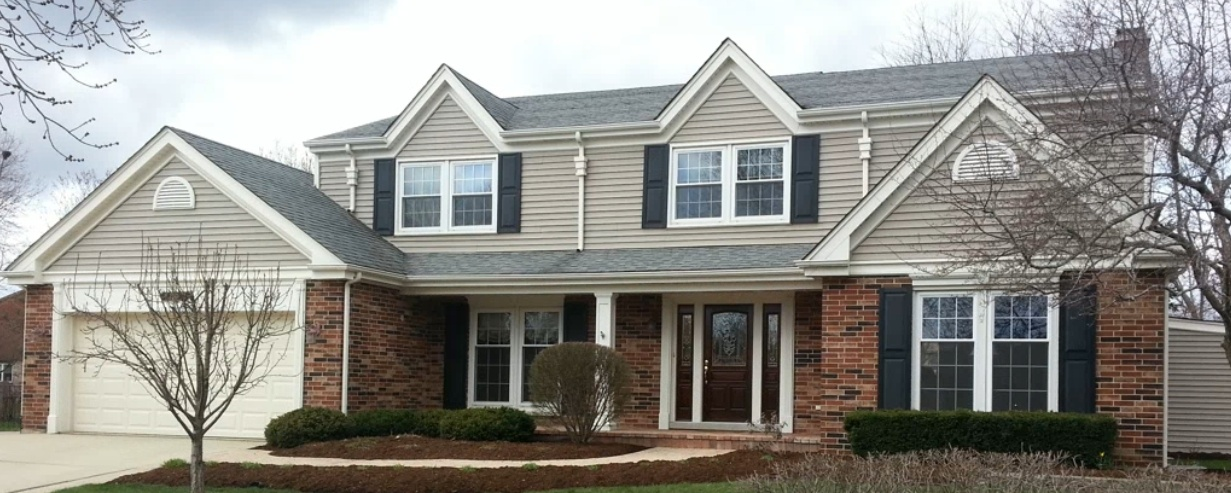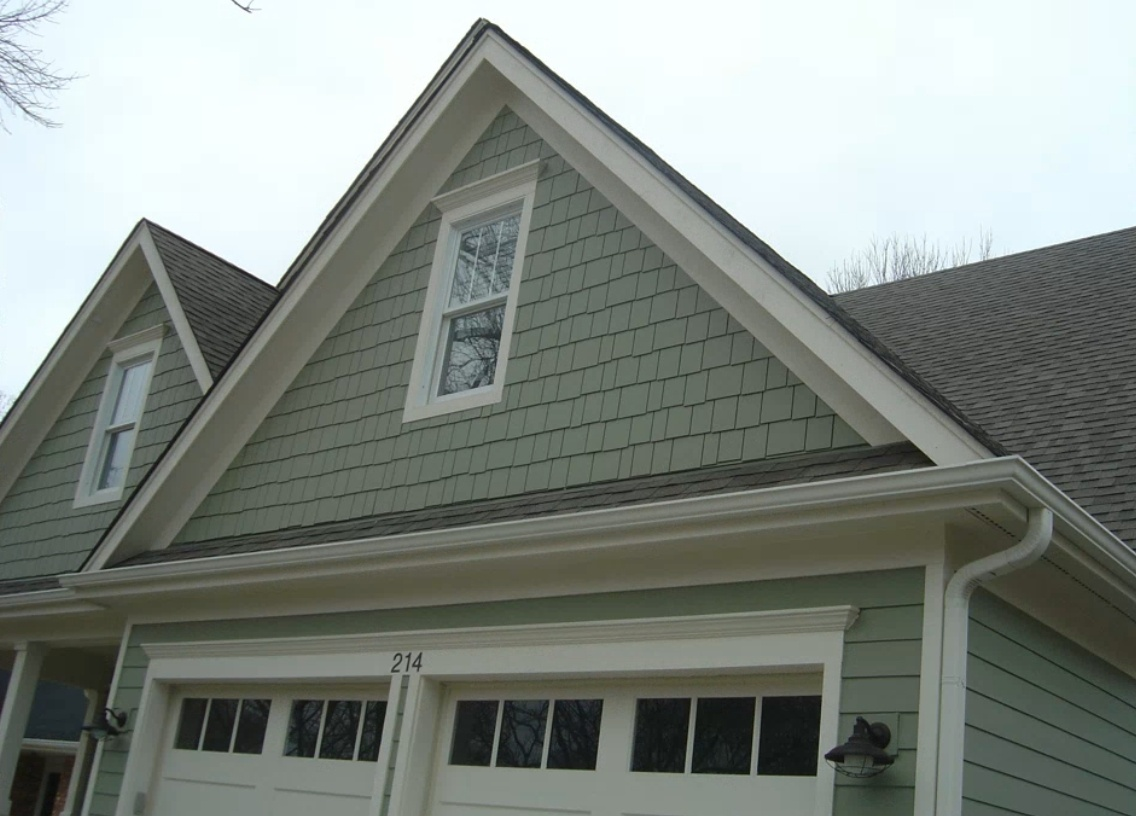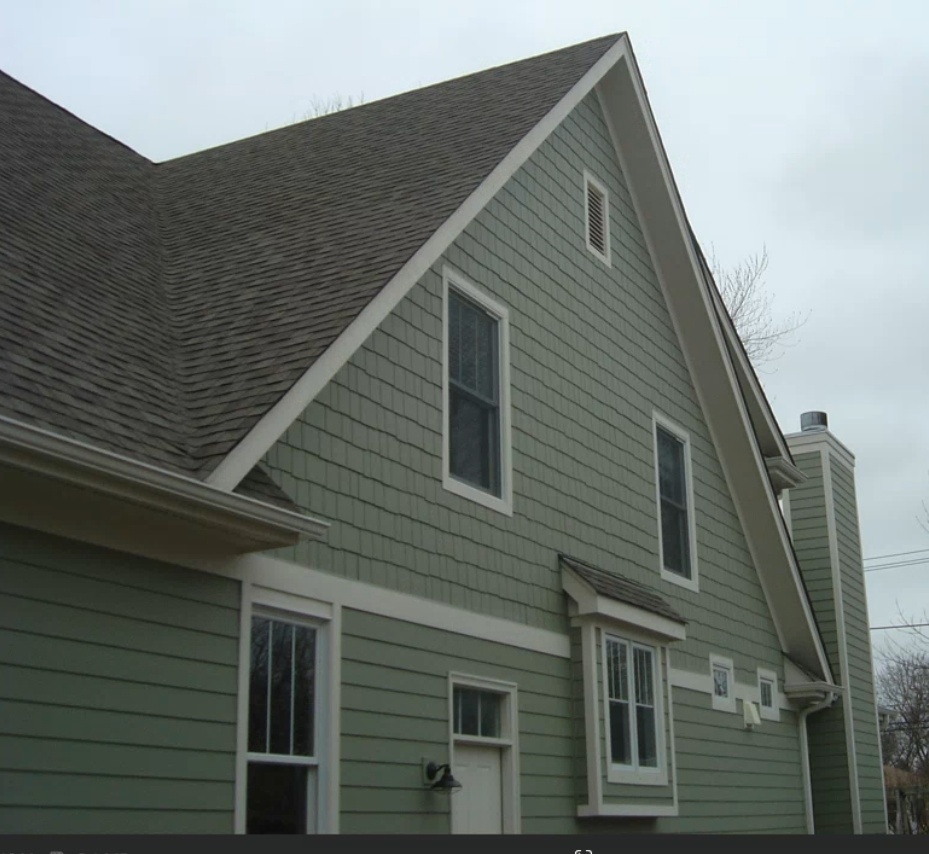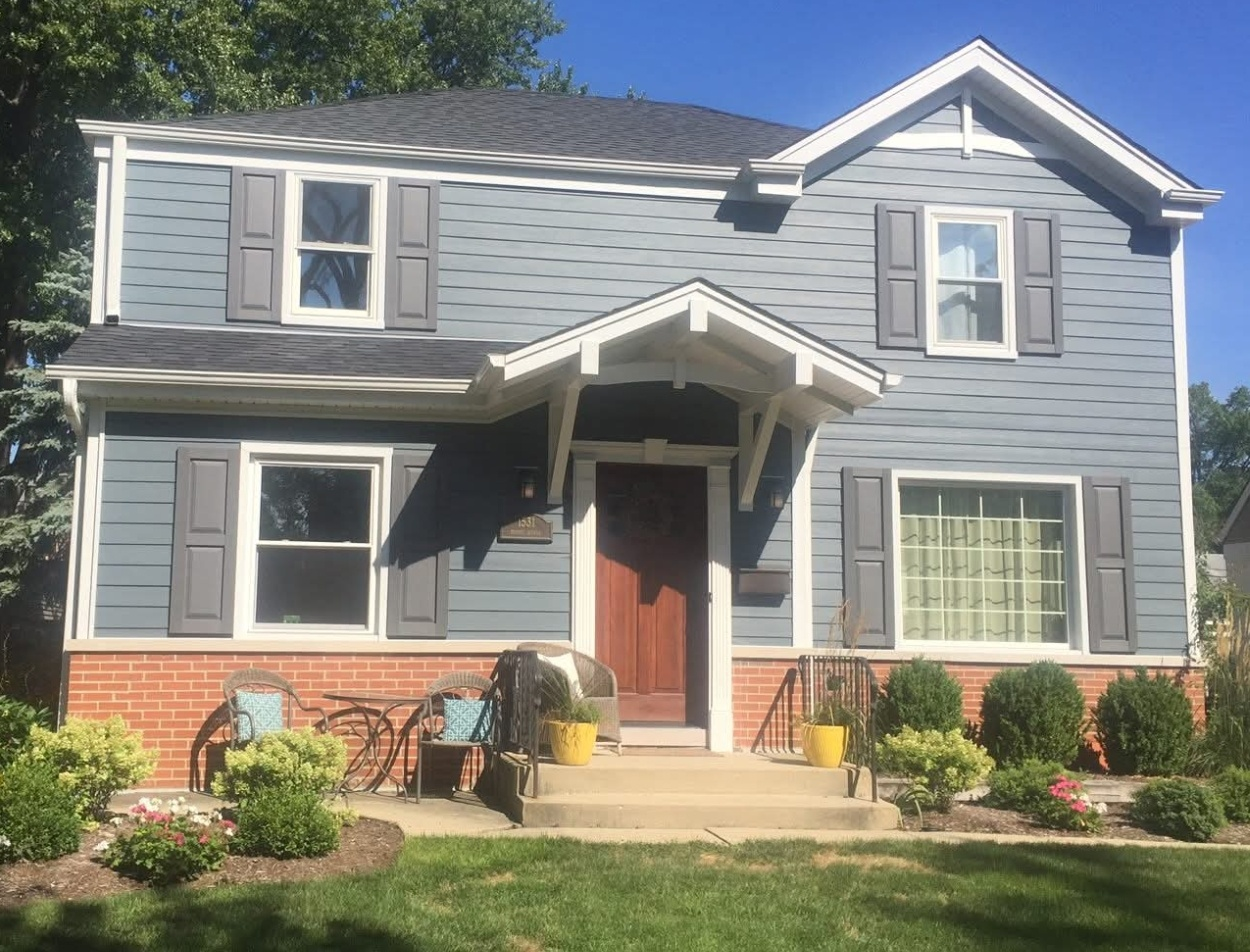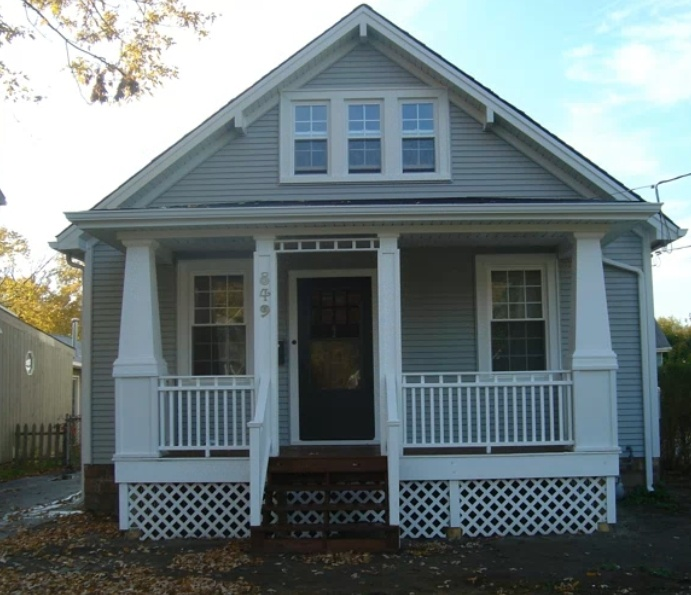

James Hardie fiber cement is the siding we install most, and the one we recommend most often for homeowners who want siding that holds up to weather without constant upkeep. It's made from cement, sand, and cellulose fibers, so it doesn't rot, warp, or melt the way wood and vinyl can, and it carries a 30 year non-prorated substrate warranty that transfers if you sell.
Zags Exteriors is a James Hardie Contractor Alliance Preferred contractor based in Northbrook, Illinois, installing Hardie siding in Chicagoland, Central Illinois, St. Louis, and Tampa.
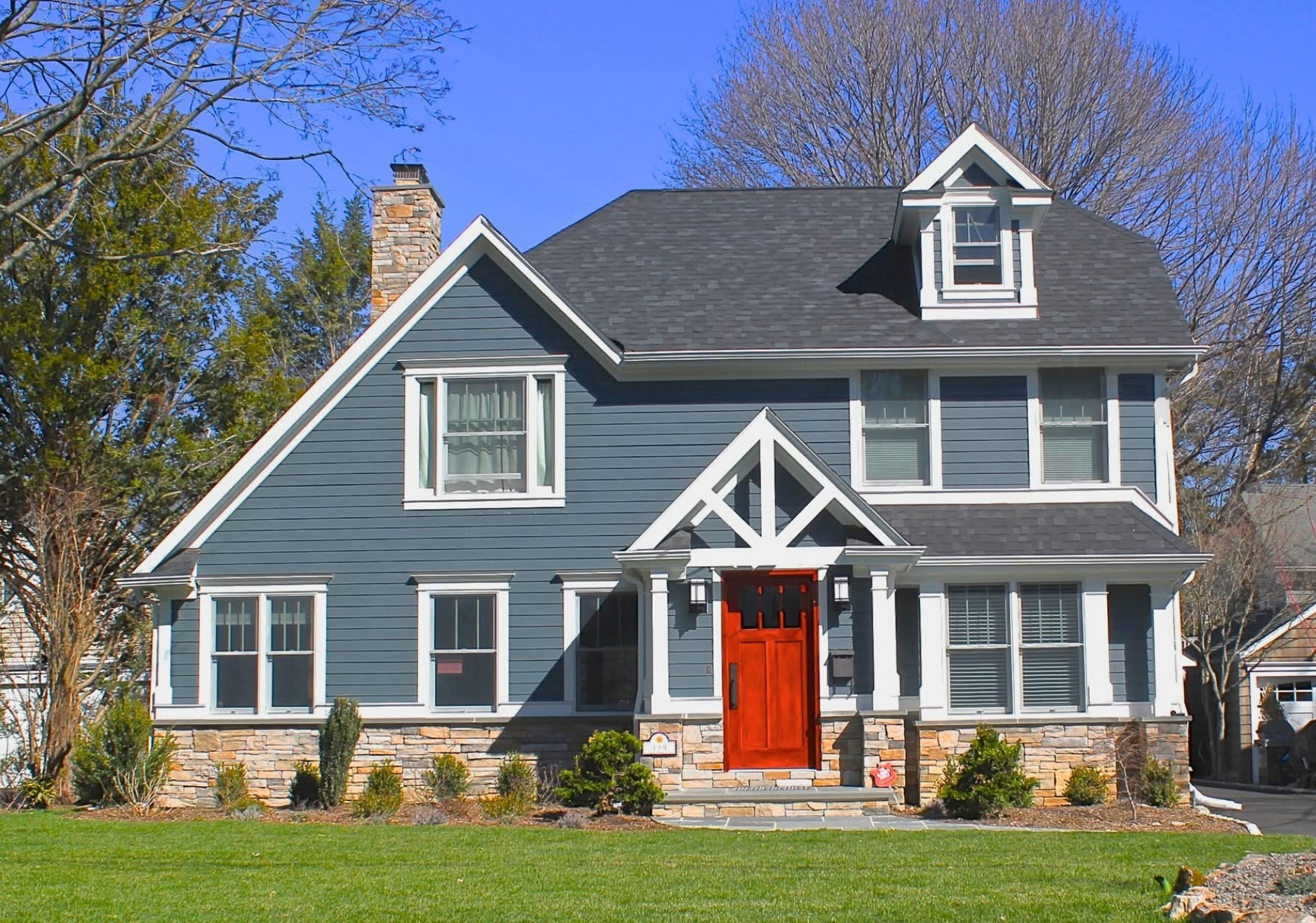
Most siding has one weak spot that eventually decides how long it lasts. Wood rots and needs repainting. Vinyl gets brittle in the cold, warps in direct heat, and can crack when something hits it. Fiber cement doesn't have that weak spot in the same way. It resists moisture, pests, and fire, and it's rigid enough that it doesn't sag or ripple over time.
The tradeoff is cost and installation. Hardie siding costs more than vinyl, and it's heavy, dense material that has to be cut, fastened, and gapped to James Hardie's specifications. Install it wrong and you can void the warranty. That's why the installer matters as much as the product.
HardiePlank lap siding. The traditional horizontal look and the most common choice. It comes in a smooth finish or a wood grain texture, including Cedarmill, which reads like painted cedar from the street.
HardiePanel vertical siding. Large vertical panels, usually paired with HardieTrim battens for a board and batten look. Common on modern farmhouse homes and on gables and accent walls.
HardieShingle (Hardie shake) siding. James Hardie's shake look, available as individual shingles or as panels with a straight or staggered edge. The staggered edge reads like hand split cedar shake from the street. Most often used on gables, dormers, or as an accent above lap siding, and it works on a whole house too.
HardieTrim and HardieSoffit. Trim boards, corners, and soffit panels made from the same material, so the whole exterior holds up the same way instead of the trim failing first.
James Hardie doesn't sell one product everywhere. Through its HardieZone system, it engineers siding for different climates and assigns the right one by zip code.
HZ5 is built for freezing temperatures, big seasonal swings, and snow and ice. It has a surface engineered to hold paint through freeze and thaw cycles and a drip edge on the lap boards to move water away from the joints. It's what we install in Chicagoland, Central Illinois, and St. Louis.
HZ10 is built for heat, humidity, salt air, and hurricane force winds, and resists swelling, cracking, and rot in hot, wet climates. It's what we install in Tampa.
Hardie siding can be installed primed and painted on site, or ordered with ColorPlus Technology, a finish baked on at the factory. We usually recommend ColorPlus. It's applied in a controlled setting instead of in whatever weather we get on install day, it resists chipping, peeling, and cracking, and it carries its own 15 year limited finish warranty that covers paint and labor. We bring samples to your house so you're judging color against your roof, brick, and neighbors, not a screen.
One thing to know: painting over ColorPlus later typically voids that finish warranty.
A Hardie job is only as good as what's underneath it and how it's fastened, so most of our work happens before the first board goes up.
The old siding comes off. In most cases we remove the existing siding instead of covering it. That's the only way to see the sheathing, and on older homes it's where we most often find water damage the old siding was hiding.
Sheathing, weather barrier, and flashing. Damaged sheathing gets replaced, then a weather resistant barrier and flashing go in around windows, doors, and roof lines. Hardie's warranty depends on this layer being right.
Clearances and fastening to spec. James Hardie requires set gaps between the siding and the ground, roofs, decks, and patios, plus specific fastener types and placement. We plan for clearances during the estimate, because on a house with landscaping or a patio close to the foundation, that can mean regrading or trimming back beds.
Finishing. Joints, trim, and penetrations are caulked and sealed, and any cut edges get touched up so the finish holds.
James Hardie siding, trim, and soffit carry a transferable 30 year non-prorated substrate limited warranty, which means coverage doesn't shrink as the siding ages. ColorPlus finishes add a 15 year limited warranty covering paint and labor.
Both depend on installation to James Hardie's requirements, which is the part we're responsible for. Every Zags installation is also backed by our own workmanship warranty.
If you’re staying in the house for a while and it has to deal with hail, hard winters, or Gulf Coast humidity, Hardie is usually worth the extra cost. If budget is the deciding factor or you’re selling in the next few years, vinyl is the smarter buy, and we’ll tell you that.
We price both on every siding estimate so you can see the actual difference on your house, not a national average. Learn more about vinyl siding.
Each location page covers what siding has to deal with in that market and the work we’ve done there.
James Hardie lists Contractor Alliance members in the contractor finder on its website, by tier. Zags Exteriors is listed as a Preferred contractor. Whoever you hire, ask to see their Alliance status and a few Hardie jobs they’ve finished near you.
The substrate warranty runs 30 years, non-prorated, and properly installed fiber cement commonly lasts well beyond that. The factory finish is warrantied for 15 years, and ColorPlus lasts considerably longer than a job site paint finish.
For most homes in our markets, yes, especially where hail, freeze and thaw cycles, or Gulf Coast humidity are hard on siding. If you’re selling soon or working with a tight budget, vinyl can be the smarter choice, and we’ll tell you that.
In most cases we remove the old siding first so we can inspect the sheathing and install the weather barrier and flashing correctly, which James Hardie’s installation requirements depend on.
Yes. Fiber cement can be installed year round. Cold weather mainly affects caulking and touch up paint, which have minimum application temperatures, so in our northern markets we schedule finishing work around the forecast.
Very little. Rinse it occasionally, keep caulked joints in good shape, and keep landscaping and mulch the required distance away from the bottom edge. There’s no staining or sealing like with wood.
Yes. Multi building HOA and condo projects are a big part of our siding work, especially in Illinois. We plan those jobs by building and phase so residents aren’t living in a construction zone for months.