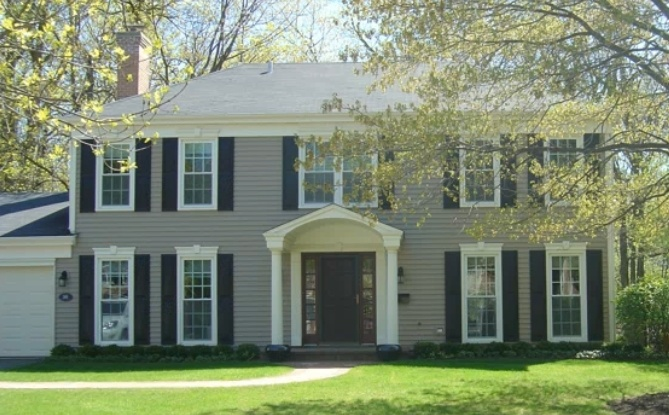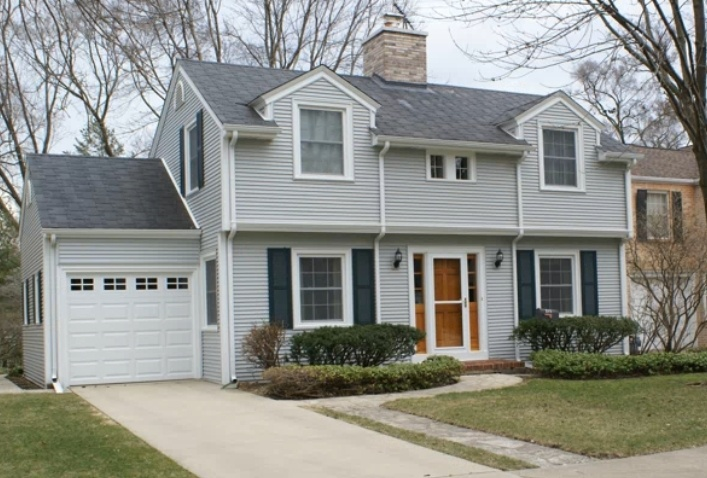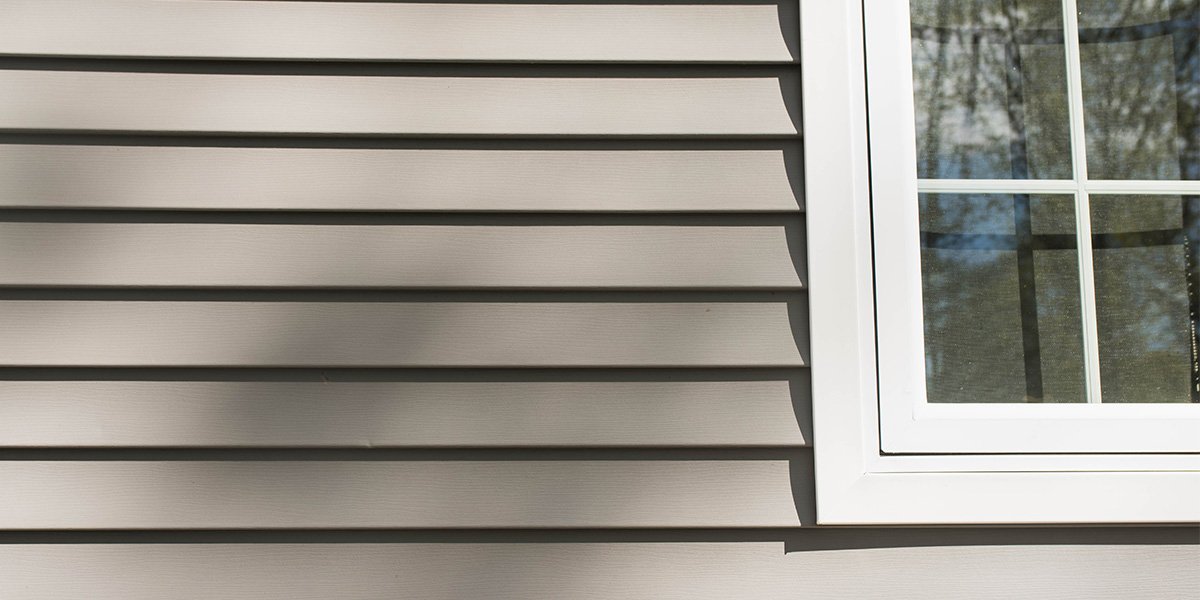

Vinyl is the most affordable way to put new siding on a house, and for a lot of homes it's the right call. It never needs painting, cleans up with a hose, and holds up for decades on a house that isn't taking a beating. Where it struggles is hail, deep cold, and spots that sit in reflected heat, and when your house has those problems we'll say so.
Zags Exteriors installs vinyl siding from Mastic by Ply Gem and CertainTeed in Chicagoland, Central Illinois, St. Louis, and Tampa.
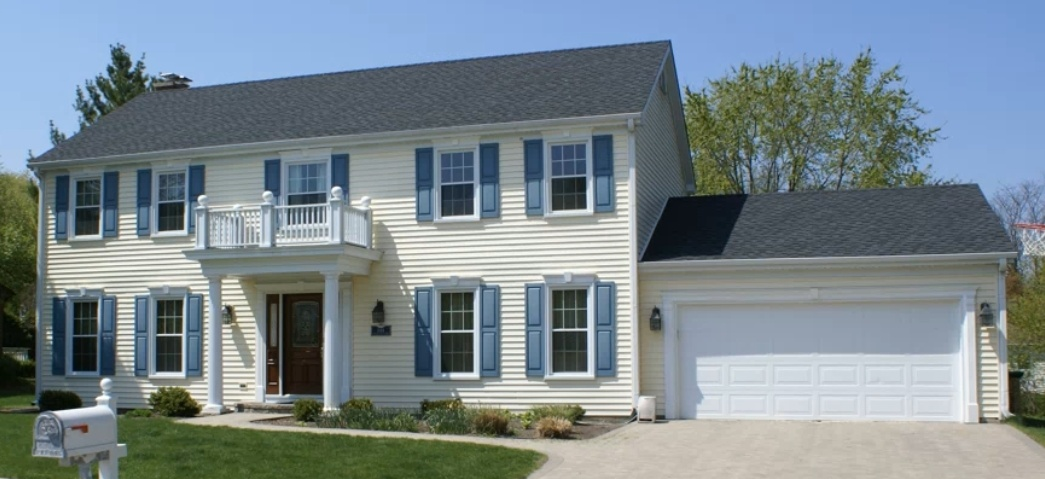
Vinyl earns its keep on cost. You get a full exterior with new trim, soffit, and fascia for noticeably less than fiber cement or engineered wood, and there's nothing to scrape, stain, or repaint later. That makes it a good fit for a house you're getting ready to sell, a rental, or a homeowner who wants the siding done right without stretching the budget.
The weak spots are real, though. Vinyl gets stiffer and more brittle below freezing, so a hailstorm or a stray baseball in January can crack a panel that would have flexed in July. It can warp near a grill or where a neighbor's low E windows bounce sunlight onto the wall. And the panels are thinner than fiber cement or engineered wood, which shows up close in shadow lines and texture. None of that rules vinyl out, but it's worth knowing before you choose.
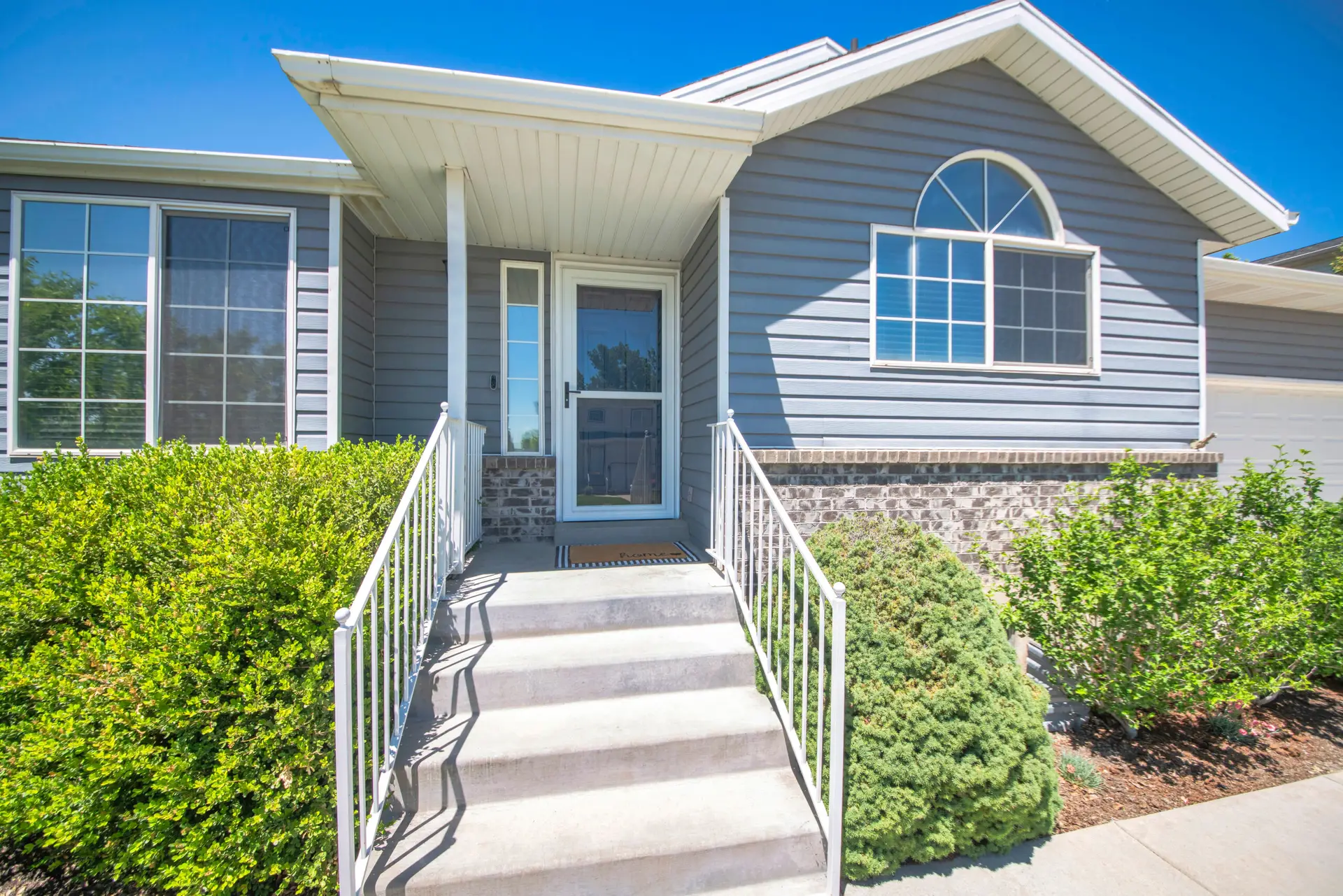
Lap and Dutch lap. The standard horizontal look, in smooth or wood grain finishes, and the most common choice by far.
Board and batten. Vertical panels for a farmhouse look, often used on gables or as an accent with lap siding.
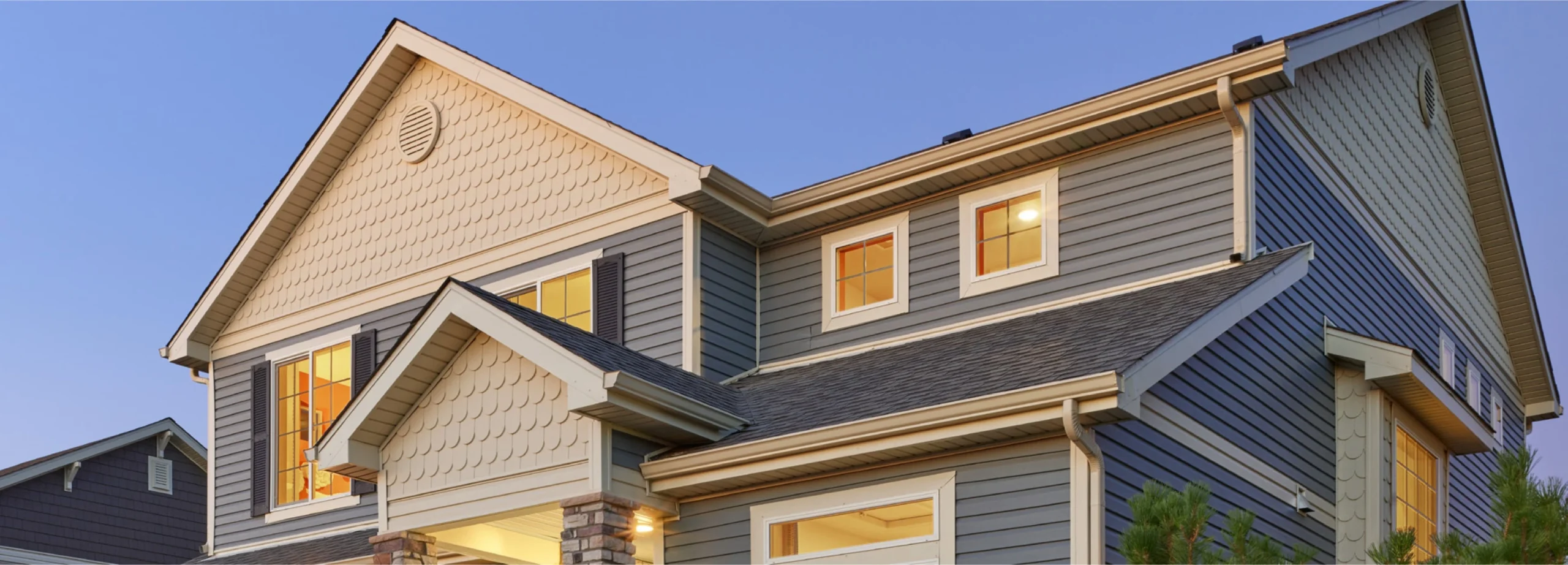
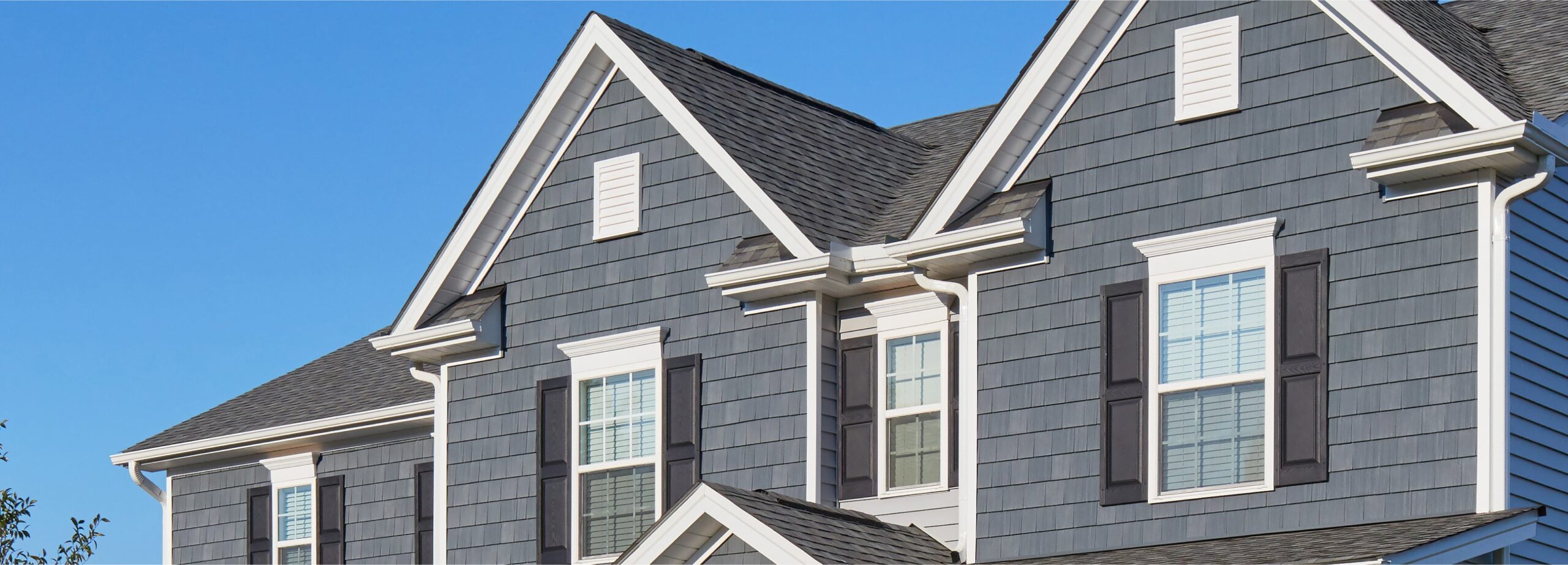
Shake and shingle. Molded panels with a cedar shake look, usually on gables and dormers.
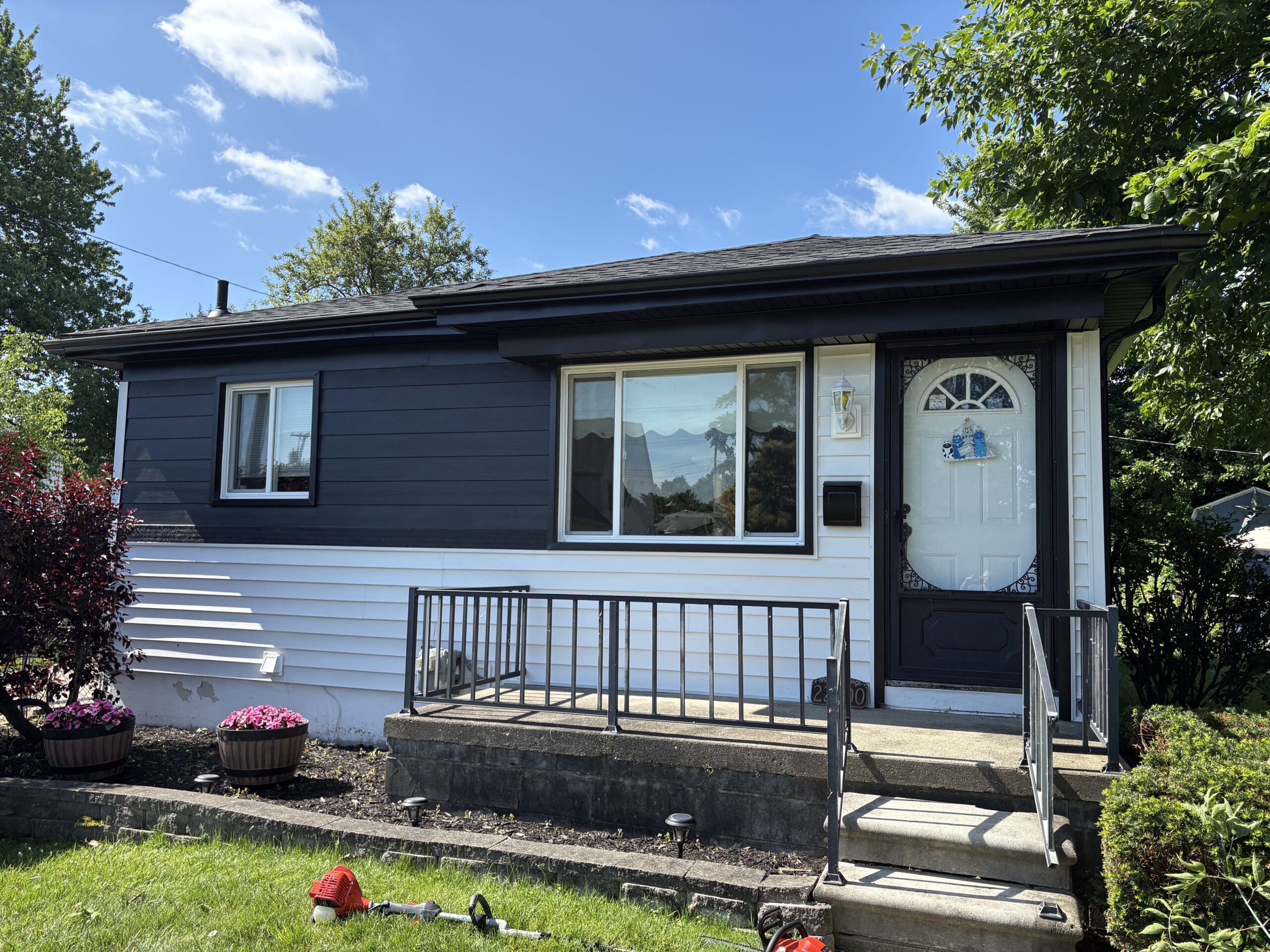
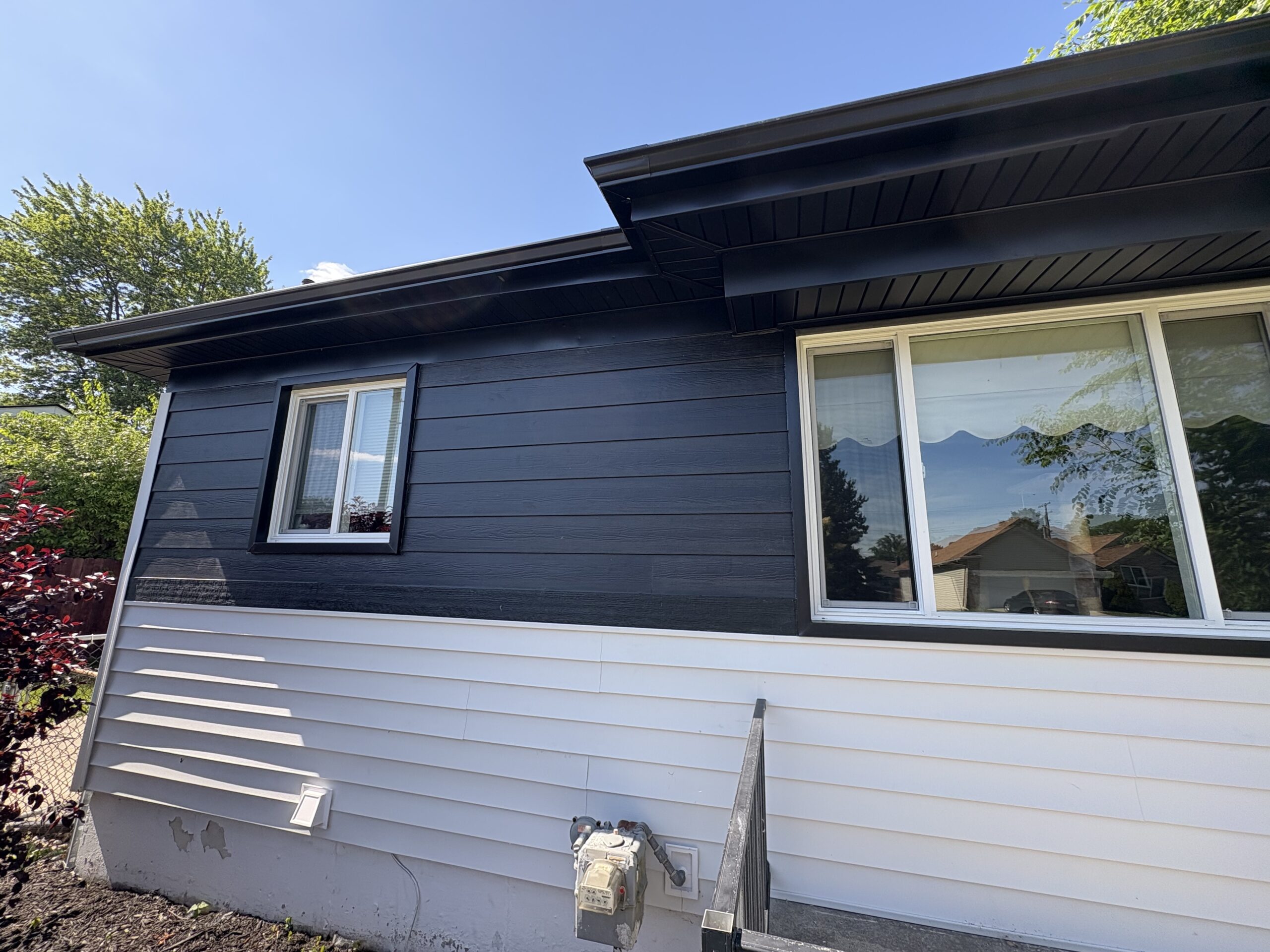
Color runs through the whole panel, so a scratch doesn't show a different color underneath. Darker colors have come a long way, but they still absorb more heat, which is something we'll talk through if you're picking a deep shade.
Vinyl is easy to install badly, and most vinyl problems trace back to installation, not the product.
The old siding comes off. In most cases we remove the existing siding so we can see the sheathing and fix any water damage before it gets covered for another twenty years.
Weather barrier and flashing. Vinyl isn't watertight on its own. It's a rain screen, and the layer behind it is what keeps water out of the wall, so the weather barrier and flashing around windows, doors, and roof lines get the same attention they would on a Hardie job.
Room to move. Vinyl expands and contracts a lot with temperature. Panels have to hang on the nails instead of being nailed tight, with gaps left at corners and trim. Nail it tight and it buckles the first hot afternoon. That matters even more on jobs we install in cold weather, when the panels are at their shortest.
Trim and finishing. Corners, J channel, soffit, and fascia are fitted so water sheds away from the joints instead of behind them.
Mastic and CertainTeed both back their vinyl siding with a limited lifetime warranty, and every Zags installation is backed by our own workmanship warranty.
Like any siding warranty, it depends on the product being installed to the manufacturer's instructions, which is the part we're responsible for.
For a lot of homes, yes. Vinyl costs the least to install, never needs painting, and holds up fine for decades on a house that isn’t taking a beating. Where it struggles is hail, deep cold, and anywhere it sits in direct reflected heat, and that’s when we’ll suggest looking at something tougher.
We’re glad to price vinyl next to an upgrade on your estimate, so the choice comes down to real numbers on your house, not a national average. Compare James Hardie siding.
Each location page covers what siding has to deal with in that market and the work we’ve done there.
Commonly 20 to 40 years, depending on the product, how much sun the wall gets, and how it was installed. Thicker panels and a careful install sit at the long end of that range.
Yes. Below freezing the panels are stiffer and more brittle, so crews cut and handle them more carefully and set the expansion gaps for the cold. We’ll schedule around the worst stretches when we can.
Small hail usually doesn’t hurt it. Large hail can crack or punch through panels, especially in cold weather. Damaged panels can be replaced individually, but on older siding a new panel may not match the faded ones around it.
It can be done with a paint made for vinyl, in a color no darker than the original, since darker colors absorb heat and can warp the panels. Painting may affect the manufacturer’s warranty, so check before you do it.
In most cases we remove the old siding first so we can check the sheathing and install the weather barrier and flashing correctly.
It can be, as long as the product carries Florida product approval and is installed to the wind rating for your area. In coastal and high wind spots around Tampa, we’ll talk through whether fiber cement makes more sense for your house.
Yes. Vinyl is a common choice for multi building HOA and condo projects because of cost, and we plan those jobs by building and phase so residents aren’t living in a construction zone for months.